
Most of us have been there. You pull out a roll of shiny, metallic wrapping paper, carefully fold it around a gift, add a plastic bow, and then watch it all get torn off in under ten seconds. What you may not realize is that a huge portion of that paper goes straight to landfill.
The good news is that wrapping gifts sustainably does not mean they have to look plain or cheap. In fact, some of the most beautiful gift presentations I have ever seen used nothing more than kraft paper and a sprig of rosemary. Once you start exploring eco-friendly wrapping, it is genuinely hard to go back.
This guide covers 10 practical alternatives to traditional wrapping paper, along with some honest notes on what works well and what takes a little practice. Whether you are prepping for the holidays or just looking to cut down on waste, there is something here for every skill level and budget.
Table of Contents
Why Switch Away from Traditional Wrapping Paper?
Standard wrapping paper looks harmless enough, but the numbers tell a different story. During peak gift-giving seasons, households can easily throw away several rolls worth of paper in a single day. Much of it ends up in general waste because glossy or foil-coated paper cannot be processed at most recycling facilities.
Switching to eco-friendly gift wrapping paper alternatives is not about being perfect. It is about making small, practical swaps that add up over time. Most of the ideas below cost little or nothing, use materials you already have at home, and — honestly — tend to look more thoughtful than a standard roll of wrapping paper from the discount bin.
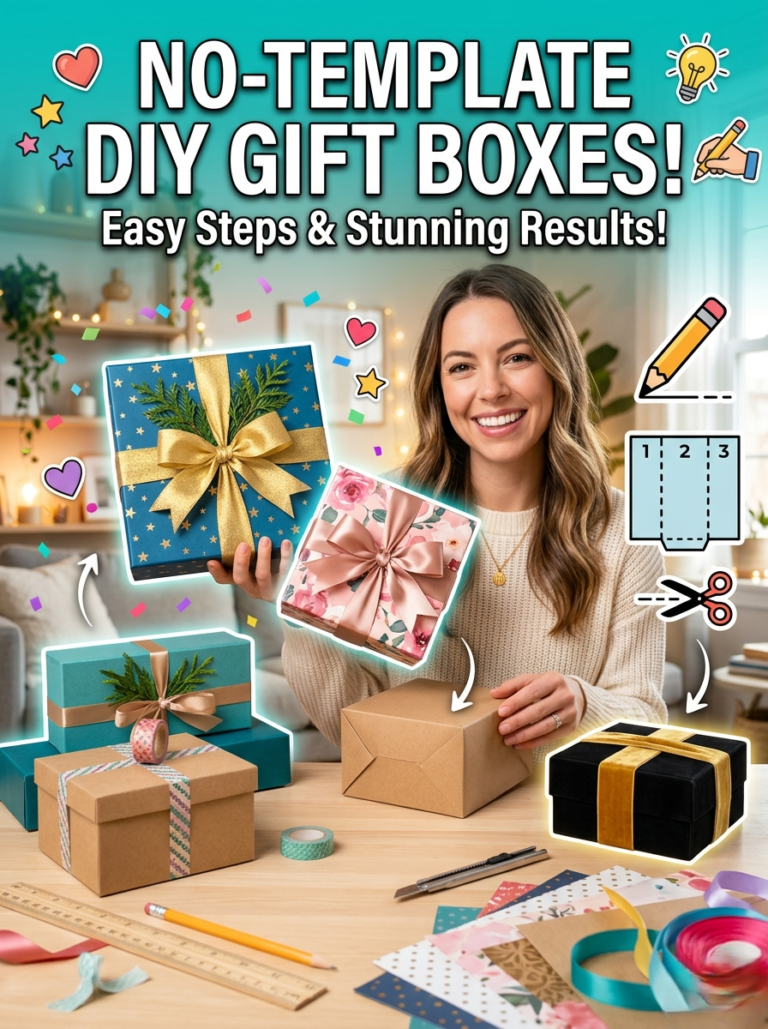
If you are also interested in how the packaging itself can be part of the gift, take a look at our guide on how to make a DIY gift box — it pairs really well with several of the wrapping ideas below.
10 Eco-Friendly Gift Wrapping Ideas
1. The Japanese Furoshiki Method
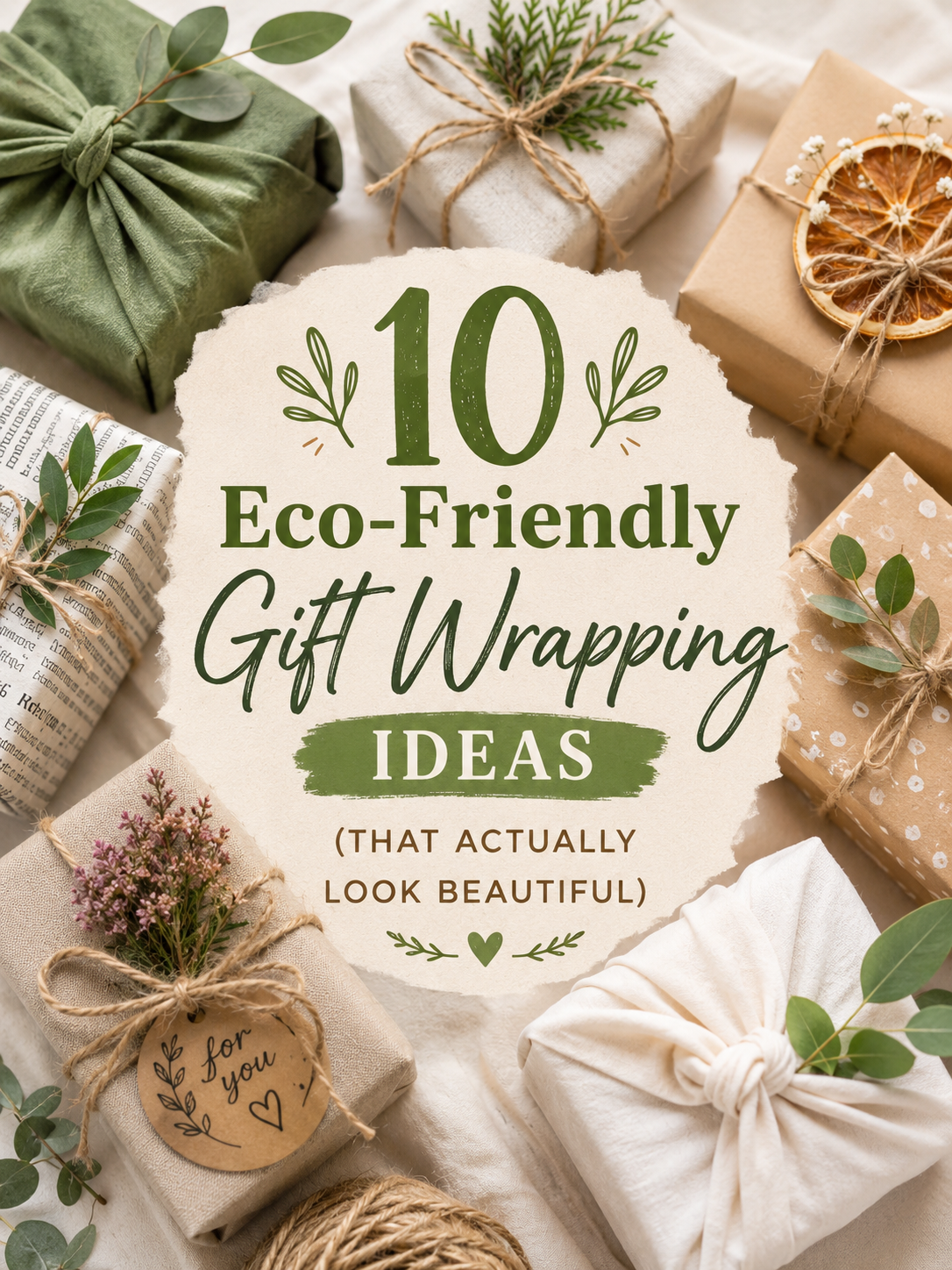
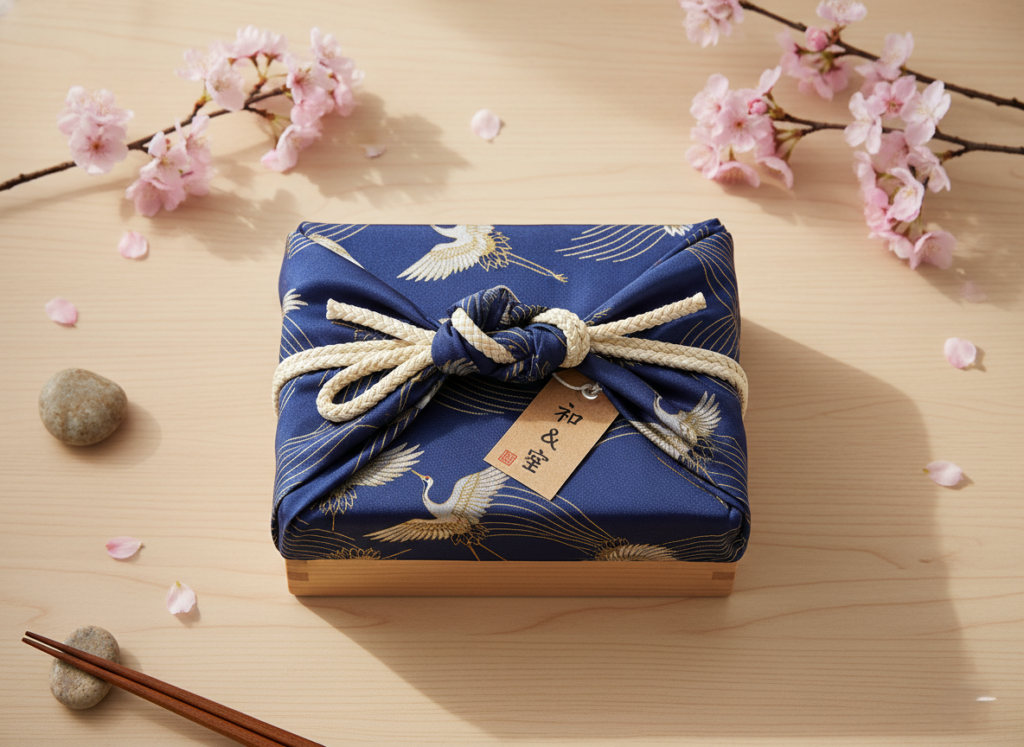
Furoshiki is a traditional Japanese wrapping technique that uses a square piece of fabric instead of paper. You fold and knot the cloth around the gift using origami-style folds, and the result is genuinely stunning — especially with a patterned scarf or bandana.
The practical advantage here is that the wrapping becomes part of the gift. The recipient gets both the present and a beautiful piece of fabric they can actually use. It works especially well for oddly shaped items that are notoriously hard to wrap with flat paper.
2. Chic Kraft Paper
Plain brown kraft paper is probably the most versatile eco-friendly gift wrapping paper option out there. It is fully recyclable, compostable, and available in large rolls at most stationery and craft stores for a reasonable price.
On its own, kraft paper looks clean and rustic. The real fun comes from personalizing it. You can stamp patterns onto it using carved erasers or potatoes dipped in ink, write a message directly on the paper with a marker, or crumple it up beforehand to give it a textured, almost leather-like appearance.
Pair it with natural twine and a dried flower stem, and it looks far more considered than anything you would pick up at a petrol station on Christmas Eve.

3. Vintage Maps and Sheet Music
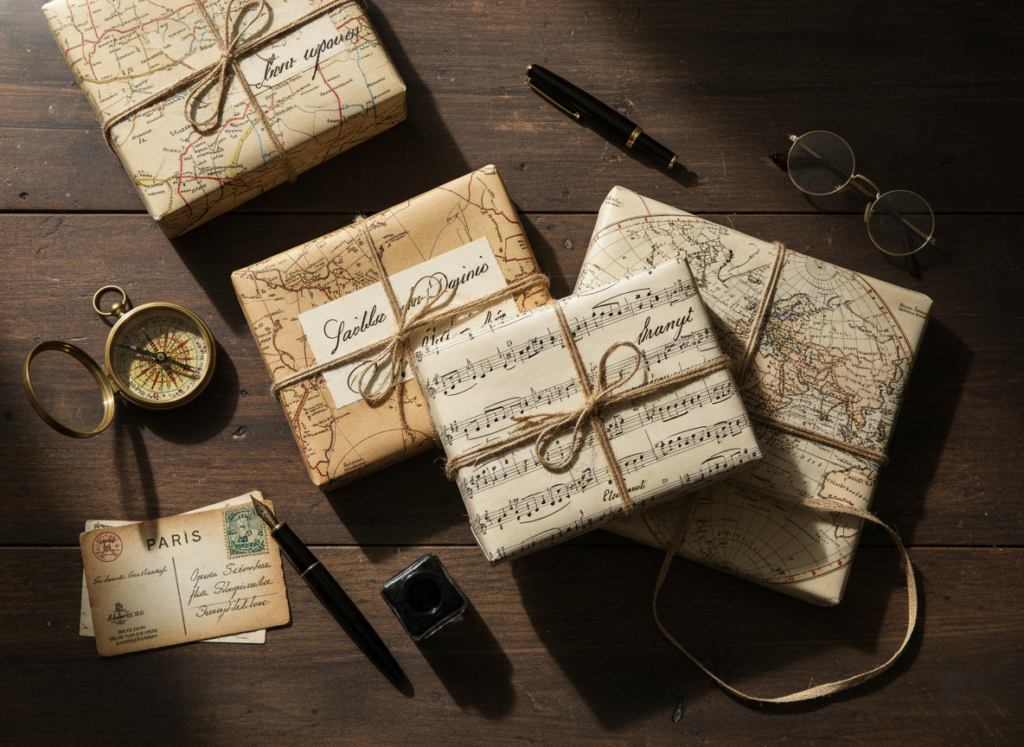
This one works particularly well when the paper itself is chosen to match the person you are gifting. An old road map works beautifully for a friend who loves to travel. Sheet music pages are a lovely choice for a musician. Pages from an old atlas, vintage recipe books, or even foreign language newspapers add a personal dimension that standard wrapping paper simply cannot.
You can often find old maps and sheet music at charity shops, library sales, or secondhand bookshops for very little money. One road atlas can wrap quite a few presents.
4. Newspaper Comics and Crossword Pages
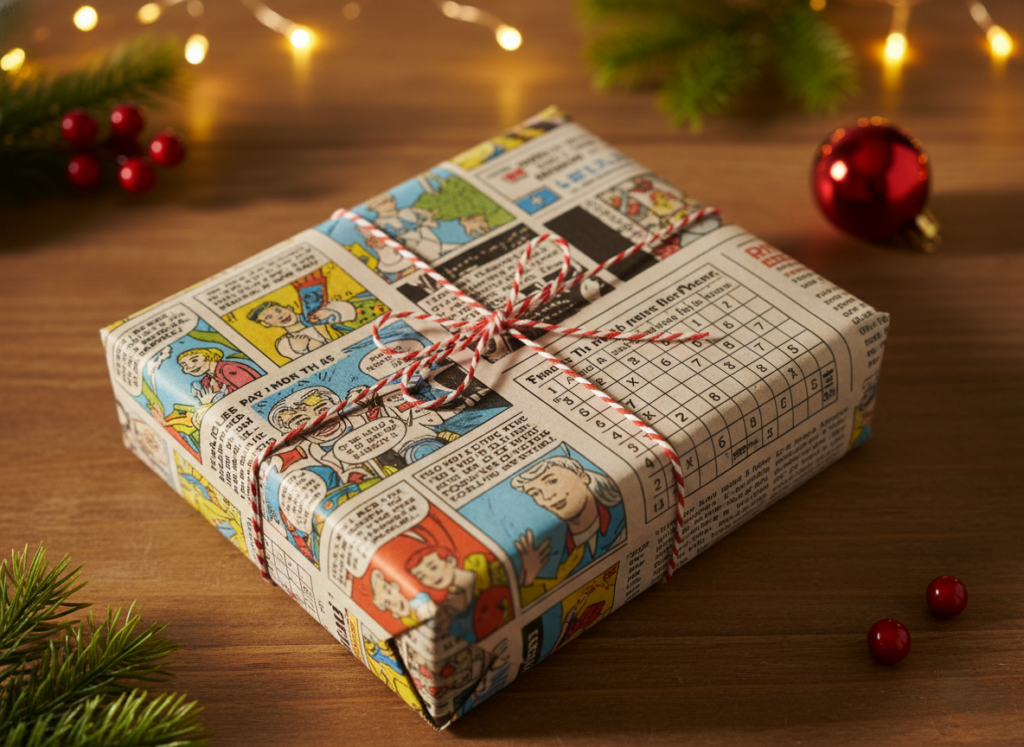
The Sunday newspaper comics section is bright, fun, and entirely recyclable. For children’s gifts especially, it is colourful enough that kids often enjoy looking at it before they tear it open. For adults, the crossword or financial pages give a slightly more understated look that still has plenty of character.
This is probably the most zero-cost option on the list. If you do not buy a physical newspaper yourself, most coffee shops and libraries have them lying around.
5. Reusable Fabric Gift Bags
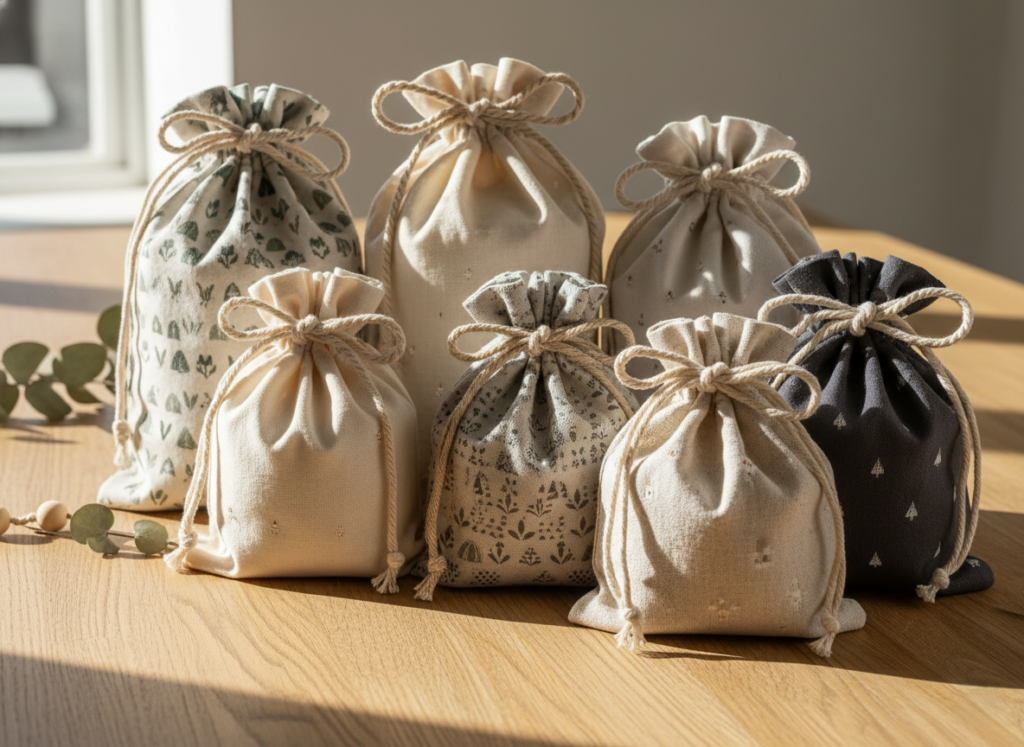
A set of fabric gift bags with drawstrings is one of the best investments you can make if you give gifts regularly. You fill the bag, pull the string, and that is it. No folding, no taping, no fiddling with corners.
They also travel well and fold flat, which makes them easy to store. The idea is that bags get passed back and forth between friends and family over the years, which means the cost and environmental impact spread across dozens of uses rather than just one.
You can buy them ready-made, or if you are handy with a sewing machine, they are very simple to make from old pillowcases or curtain fabric.
6. Natural Embellishments Instead of Plastic Bows
Plastic sticky bows are almost impossible to reuse and go straight to landfill. Replacing them with natural elements costs nothing if you have access to a garden or local park, and the results look considerably more elegant.
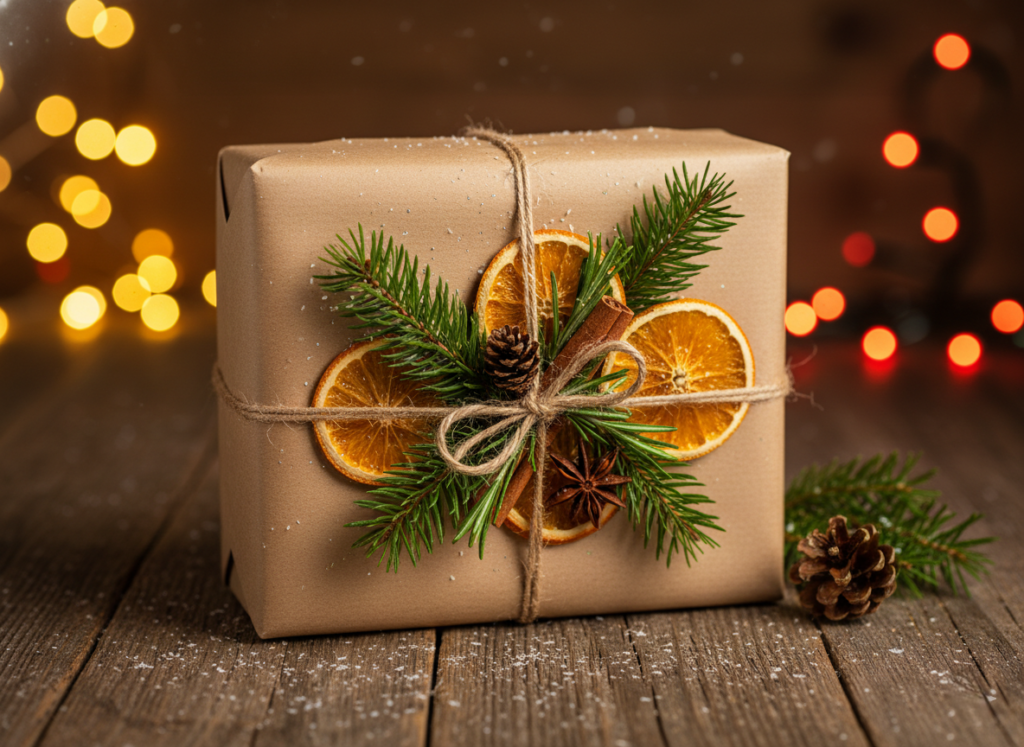
Common options include sprigs of pine, eucalyptus leaves, dried orange slices, cinnamon sticks, rosemary, or small pinecones. Tuck them under a loop of twine or secure them with a small knot. Dried flowers also work beautifully and hold their shape well.
For eco friendly christmas wrapping ideas, this is particularly effective. A kraft paper parcel with a cinnamon stick and a sprig of evergreen looks genuinely festive without any plastic at all.
7. Compostable Paper Tape
This one is easy to overlook, but regular sellotape is made from plastic and is not biodegradable. If you go to the effort of using recycled paper and natural twine, it is worth using tape that matches that standard.
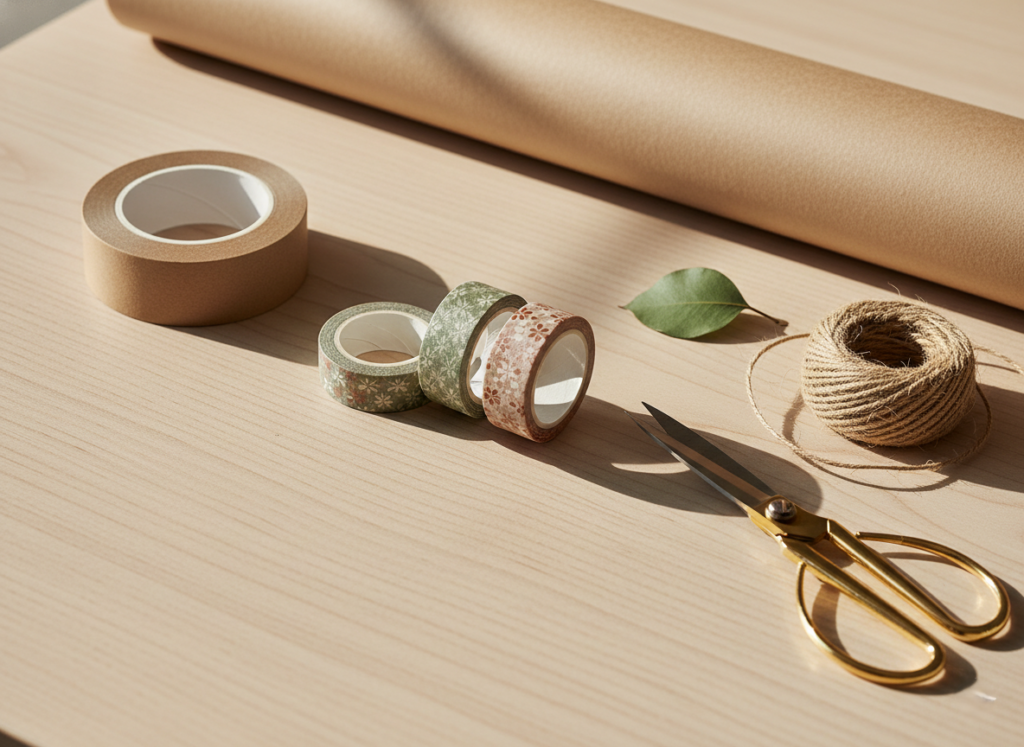
Paper tape (sometimes called gummed tape) is fully compostable and sticks well to kraft paper and cardstock. Japanese washi tape is another popular choice — it peels cleanly, comes in hundreds of patterns and colours, and adds a decorative element at the same time.
Both options are now widely available online and in craft shops. They cost a little more than standard tape, but a single roll goes a long way.
8. Twine, Hemp Cord, or Scrap Yarn
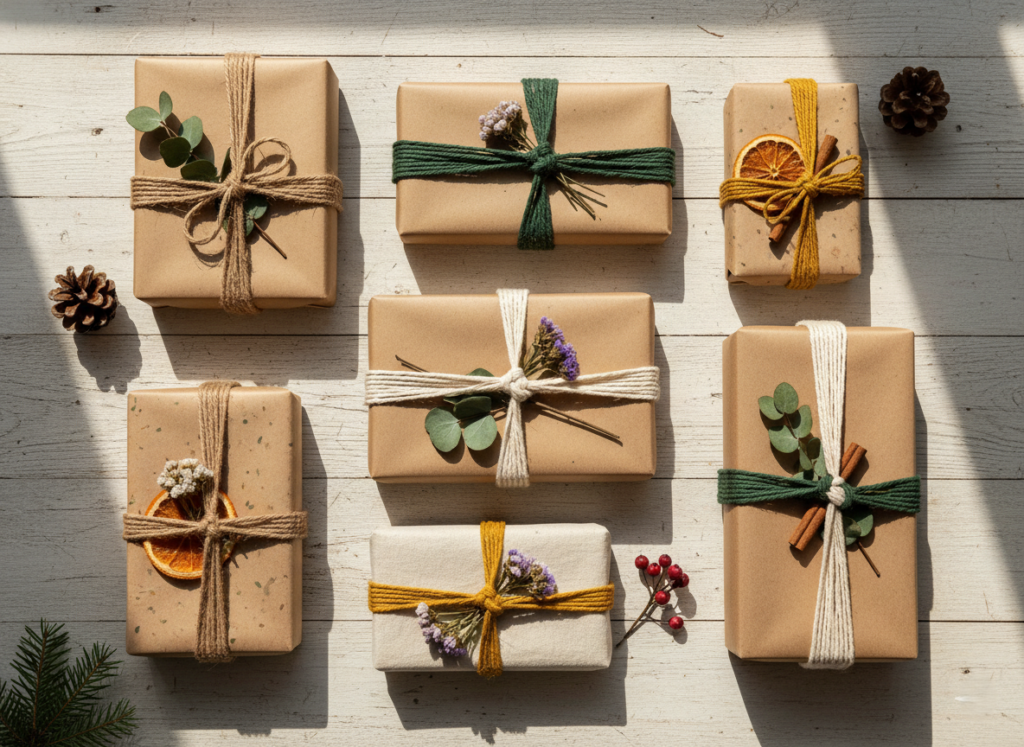
Replacing plastic ribbon with natural cord is a small change that makes a noticeable difference. Jute twine, unbleached hemp webbing, and scrap yarn all biodegrade naturally and pair well with kraft paper, old maps, or any other upcycled wrapping material.
For a slightly more polished look, try braiding three thin strands of yarn together before tying them around the gift. It takes about two minutes and looks genuinely lovely. You can also leave long tails and curl them loosely for a more casual aesthetic.
9. Upcycled Clothing Strips as Ribbon
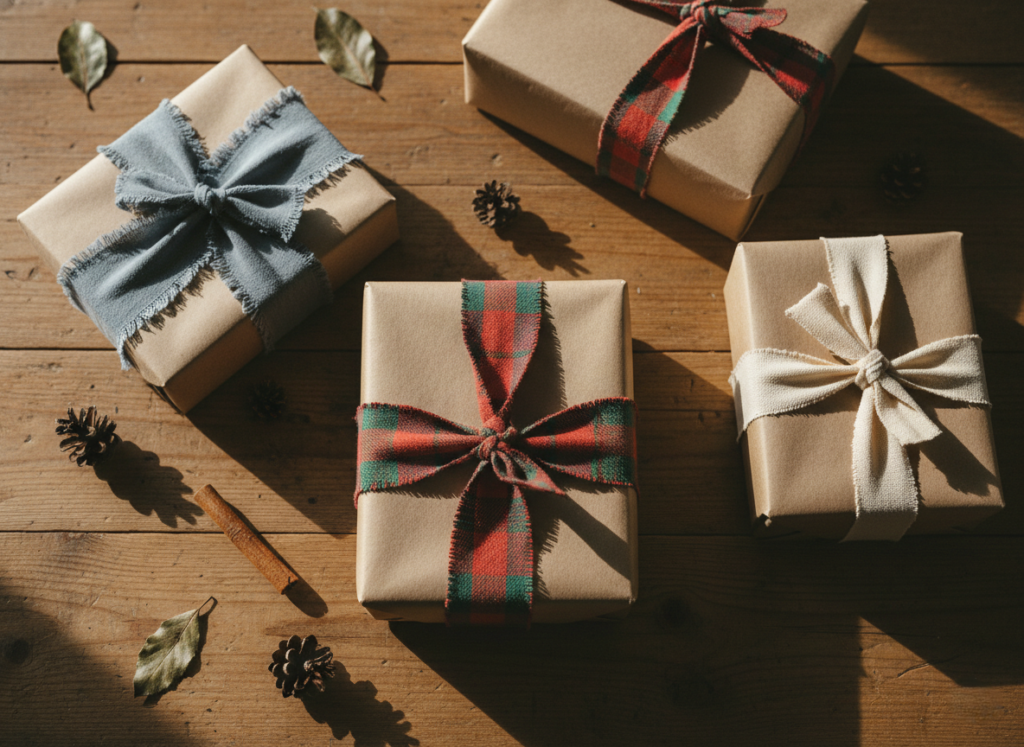
Old clothing that is too worn to donate — stained shirts, frayed linen trousers, faded flannel — can be cut into long strips and used as ribbon. The frayed edges give a natural, rustic finish that actually suits zero-waste wrapping very well.
Knit fabrics stretch slightly and are easier to tie tightly. Woven fabrics like cotton or linen fray more at the edges, which adds to the handmade look. Either way, this is one of those reusable gift wrap ideas that genuinely costs nothing and keeps textiles out of landfill.
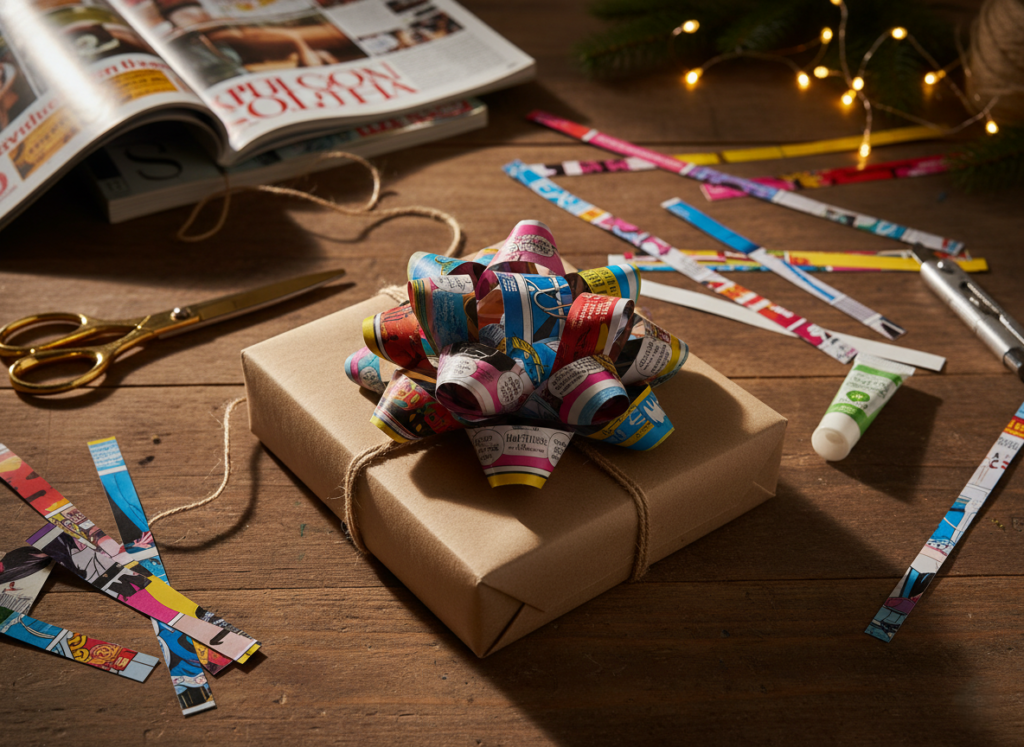
10. The Magazine Bow
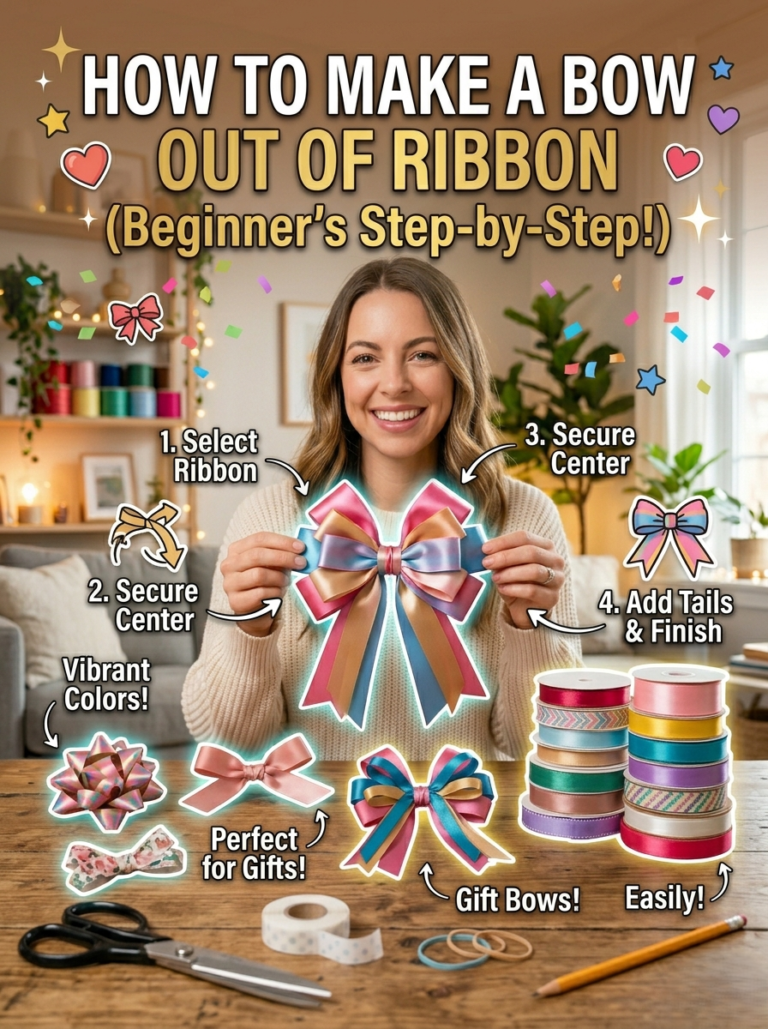
This is a satisfying little project that most people have not tried. You cut strips of glossy magazine paper or calendar pages, loop them into graduated sizes, and layer them together to create a three-dimensional paper bow. There are clear tutorials available on YouTube if you want to follow along visually.
The finished bow is surprisingly sturdy and looks quite sophisticated, especially when you match the colours in the magazine page to the wrapping paper underneath. It is free to make and far more interesting than a standard plastic sticky bow.
Practical Tips Before You Start
- Keep a wrapping supplies box: Set aside a box where you collect usable materials throughout the year — saved ribbons, fabric scraps, interesting newspaper pages. By the time the holidays arrive, you will have plenty of options without buying anything.
- Not every method suits every gift: Furoshiki wrapping works brilliantly for boxy shapes but is harder with oddly shaped items. Fabric bags handle unusual shapes better. Match your method to your gift.
- Start simple: If you are new to sustainable wrapping, kraft paper plus twine plus one natural element is a perfectly complete combination. You do not need all ten methods at once.
- Communicate the intention: If you are giving a fabric bag or a scarf as the wrapping, it sometimes helps to mention that the wrapping itself is intentional — otherwise the recipient might not realise it is meant to be kept and reused.
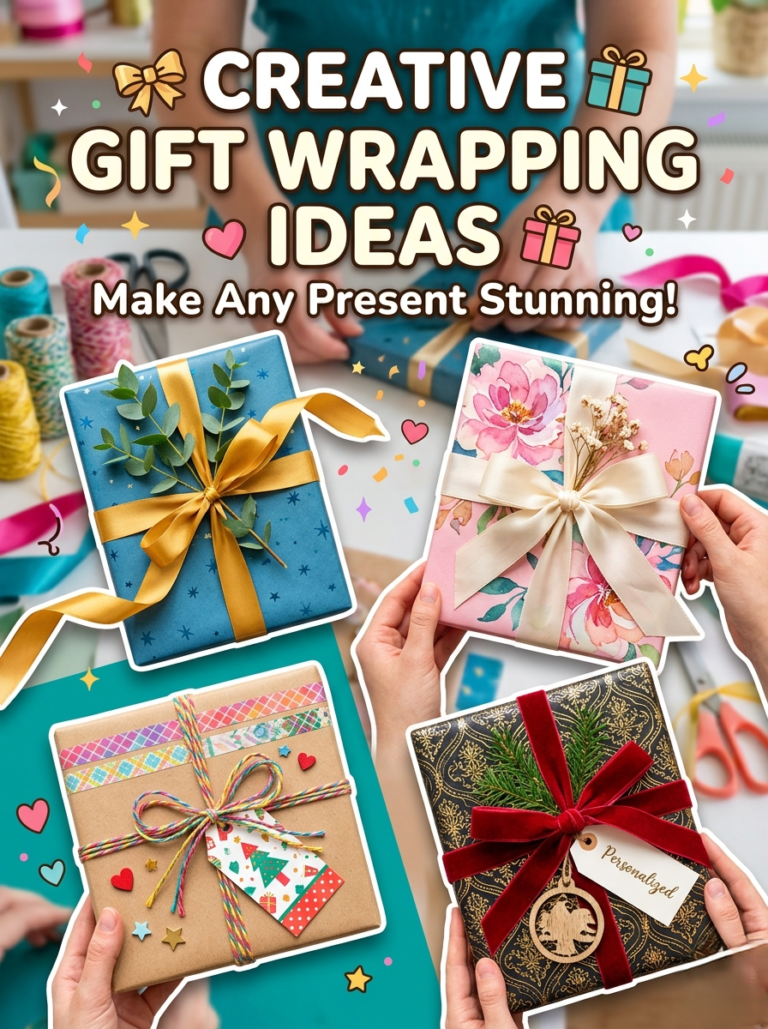
For more ideas on how the packaging can add to the overall presentation of a gift, our creative gift wrapping ideas guide covers some additional techniques worth exploring.
Frequently Asked Questions (FAQ)
What is the most eco-friendly gift wrap?
Reusable options like furoshiki fabric wrapping or drawstring fabric bags are the most sustainable because they eliminate waste entirely — the wrapping is used again and again rather than thrown away. If you prefer something more like traditional paper, unbleached kraft paper is the best choice. It is made from recycled materials, fully recyclable after use, and compostable. Avoid anything with a glossy or metallic coating, as those cannot be processed through standard recycling.
What are some eco-friendly gift ideas?
Eco-friendly gifts tend to be either experiences (a meal out, a class, tickets to something) or practical items made from natural or recycled materials. Beeswax wraps, natural candles, seed packets, locally made food products, and secondhand books are all popular choices. The wrapping can reinforce the message too — a sustainable gift wrapped in a reusable fabric bag or kraft paper makes the whole thing feel intentional rather than an afterthought.
What is an example of zero waste packaging?
A good real-world example is wrapping a gift in a cloth furoshiki style using an old scarf, tying it with a piece of hemp twine, and attaching a handwritten tag made from leftover cardstock. Nothing in that combination goes to landfill. Another example is placing a gift inside a reusable fabric drawstring bag with shredded newspaper as padding instead of plastic bubble wrap or tissue paper.
What are some creative ways to wrap a gift?
Beyond the ideas above, you can try wrapping a gift inside another small gift — a tea towel, a tote bag, or even a pillowcase. A mason jar filled with a gift (bath salts, homemade sweets, small jewellery) needs no wrapping at all beyond a simple lid and label. If you are wrapping something flat like a book, vintage sheet music or a page from an old calendar can be cut to exactly the right size and looks far more interesting than standard paper. For tips on making your own container from scratch, the guide on DIY gift boxes is worth a read.